I didn't come across a whole lot of interesting links this month. Or maybe I did and just forgot to make a note of them? That's probably more likely. Either way, here are a few things I discovered and liked.
As time passes, the larger our collection of digital stuff grows. Maybe whoami.wiki can help? "Your personal encyclopedia, written by agents". It's inevitable, but I'm not quite ready to hand it all over just yet.
Tapbots are launching Phoenix this summer, their Bluesky client. A tiny company worth supporting. They also make the wonderful Ivory for the Mastodon-inclined.
I enjoyed this Radio 4 Americast episode with Scott Galloway – The political fight for American men. An important topic (not just for Americans).
I thought I knew a lot about HTML but You don't know HTML Lists quite rightly makes me feel like an amateur. Fascinating.
37signals launched Basecamp 5 and it looks brilliant. If I was still running a multi-employee business, I would use Basecamp, 100%. I'm just a one-man band, so I use the wonderful (and free!) Fizzy, which is also by 37signals. They're on 🔥 these days.
California seems to be way ahead with self-driving taxis, and upstart Zoox looks brilliant. The design is polarising, but I'm a fan – they seem very practical. I feel bad for taxi drivers because the writing's on the wall, yet I'd love to see these on the streets of Edinburgh one day.
Bubbles is like Hacker News but for independent blogs. I'm probably late to the party, but I love it – what a great idea.
If you visit a website you should ... see the website. See its content. Be able to read the article whose page you are attempting to visit. Showing a “subscribe to our newsletter” or “accept our fucking cookies” dickover to someone trying to read an article on the web makes no more sense than sending out an email newsletter that only contains a link to read the newsletter on a webpage. A webpage should show the webpage. An email should show the email. I should not have to explain this.
I just spent an hour or so tightening the Pagecord home page copy and the ordering of content sections. I'm not sure if this will make any difference, but I certainly prefer it. Do you? I need to redo the walkthrough video at some point as the current one is cringe and it pre-dates a bunch of features.
I know Pagecord has product market fit because of customer feedback (I've been soliciting this) and conversion rates, and it's very feature-rich today, so my focus now has to be about getting more people to try it. Copy and SEO is part of that, but it's clear that demand for personal websites and blogging appears to be continuing to slump, plus the number of competing products continues to grow. Tough situation. I'll keep trying things. I'm in a good position since the product is profitable!
My main hope is that existing customers continue to use Pagecord (churn is a major problem for blogging platforms), and also continue to spread the word if they get the chance. A customer's post went viral this week on Hacker News and Reddit which was great to see (and I'm delighted that the server shrugged off this mega-traffic), but they had turned off the Pagecord link in the blog footer so alas I'll never get to know how that might have impacted signups. Maybe it would have made little difference, we'll never know.
I started blogging in 2005 when I set up my first company, a consultancy that was just me contracting myself (and my soul) into financial institutions to hand-write code in exchange for cash in the City of London. I had to wear smart trousers, shirts and shoes but I got away without a tie. People carried briefcases. It sounds almost Victorian, doesn't it?
I was never a prolific blogger and many of the posts I wrote back in the day got binned because they were terrible (although some survived). I found the self-promotion excruciating, but my enthusiasm was real even if the dedication wasn't. Twenty years later I'm now more prolific, primarily because I built a blogging platform of my own and it was never gonna dogfood itself. I still cringe at the self-promotion, but I've learned to get over that because I know it lives only inside my head.
Anyone who ever tried to build a blogging platform will know that the basics are simple, but there are many, many hidden gotchas, ballaches, botfarms, and footguns that you'll be subjected to. The devil is in the user-generated content detail. If you manage to stubbornly persist through this quagmire and build something worthy of selling, the chance of making any "I'm quitting my real job" money from it is essentially zero. Blogging platforms are a commoditised niche and hence a ridiculous idea to take on for that, and so many other reasons. So why on earth did I decide to build Pagecord?
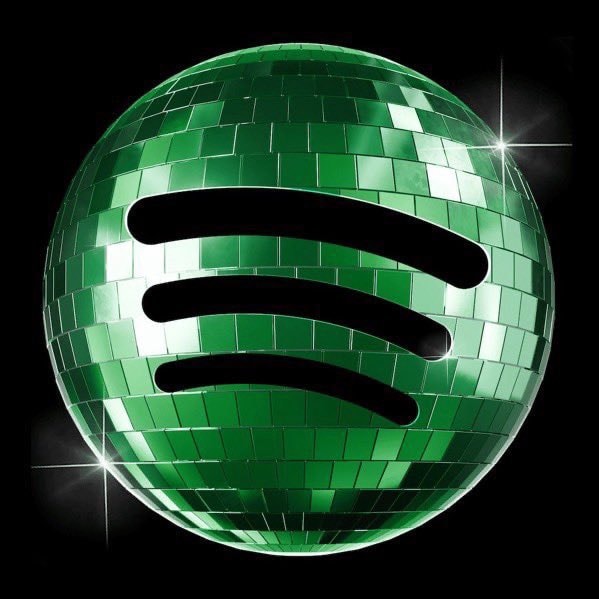
Spotify rolled out a new (temporary) logo to celebrate their 20th anniversary. The internet is ablaze with rage because it looks terrible on a phone home screen, but I actually love it myself. It’s playful and fun, and we need more fun in our lives in this age of average. More of this!
Spotify Logo
Special disco edition for 20th anniversary
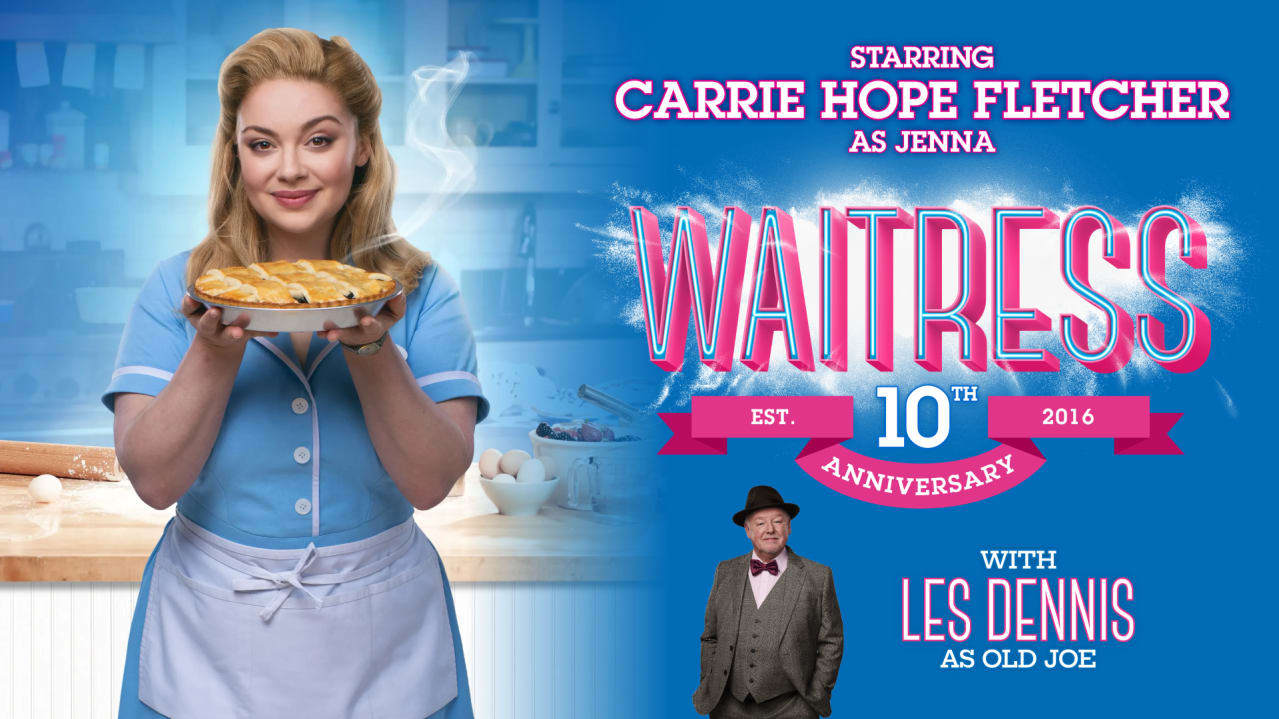
I’ve seen a lot of musicals over the years. I saw Waitress this evening and it’s a good one. I absolutely love Carrie Hope Fletcher, and her performance of She Used To Be Mine brought the house down.
I’m not sure how Róisín Machine passed me by in 2020. I suppose a global pandemic didn’t help, did it? Either way, I’m utterly delighted to have come across it recently while digging in the virtual crates. It’s a modern electropop dream.
I feel similar to Mitchell about GitHub. It was a companion to my career since the FreeAgent days when I moved the repo over from Subversion. I hope they can sort it out before it’s too late, but I fear the wheels of change are already in motion.
There’s a Good Reason You Can’t Concentrate. Cal Newport teaches us how to avoid ultra-processed digital content (short-form social media, basically) in the same way we've learned to avoid Frankenfoods. "Our current lack of contemplation is degrading our brains." One answer? Read.
Tiny Start is a minimal launcher for macOS – a simpler Spotlight replacement than Alfred or Raycast. I like the idea but I don't think it can replace Raycast for me just yet.
Umarell are men of retirement age who spend their time watching construction sites, offering unrequested advice to the workers.
Noah Hawley wrote a fascinating article in The Atlantic, What I Learned About Billionaires at Jeff Bezos’s Private Retreat. "I’ve spent my whole career trying to figure out how the world works. I didn’t realize I could just come here and ask the people who ran it.”
The sun is out, like properly, in Scotland this week. Late April and May are generally some of the best months for sun so I plan to take full advantage and be outside as much as possible with camera in hand. This is a massively light-deprived country, so I'm literally gasping for sunlight right now - the winter here is ridiculous. I have a couple of small trips planned soon too, so hopefully the sun will be shining in those destinations as well.
I've done quite a lot with Pagecord this year so a bit of a break is definitely on the cards. I find you can get in a rut with these things if you stay too close, and the joy can get sucked away. On the customer front people come and go, but generally speaking the growth curve continues upwards. I've still yet to find any sort of magic acquisition sauce, however. I think the product is pretty good right now (I'm a paying customer myself believe it or not 😅), so all I can really do is make sure it runs fast and smooth, put improvements out now and again, and keep blogging myself to both test the thing, as well as write about the journey.
If there's anything you'd like to know about regarding Pagecord, do let me know and maybe I'll write about it, plus it's always nice to hear from people anyway.
I love the idea of Record Store Day but I no longer have a turntable, cassette deck or CD player despite the hundreds of vinyl records going mouldy in my garage (wanna buy them?).
These days I want less stuff, not more. You’ll understand when you’re in your fifties.
I love to buy albums digitally on Bandcamp and Subvert (or Qobuz/7digital/Juno if it’s a major label) after using Spotify to try-before-you-buy, but it’s an underwhelming experience. Wouldn’t it be great if there was a way to do this in a physical store, where the retailer gets a cut of my digital purchase like they do with vinyl?
Indie record stores are so great, especially my local, but there’s no reason for me to go in and bother them because I won’t be buying anything. I feel like a fraud! I’d love to be able browse the music physically like everyone else, chatting to the staff, listening to stuff and getting recommendations, but rather than bagging the vinyl I’d like to pay them for a FLAC download that gets delivered to my inbox. To make it more of an event and add a physical dimension, maybe they could offer me a postcard version of the cover art too? That would be a nice keepsake.
As far as I know, this experience doesn’t exist, which is such a shame. Could we make it happen? Technically speaking, it’s entirely possible. I mean, Bandcamp and others already do it, but an equivalent system would have to be made for independent stores to get their cut as well as the tech provider.
I suppose you can think of it as an iTunes / Bookshop.org mash-up but one that’s integrated into physical stores. The store needs to get their 20% (or whatever) so perhaps they pay an annual SaaS fee (and probably a cut of the cut) to the software company who runs the system. There’s a workable model in there somewhere I’m sure.
As always, the tech isn’t the hard bit. You’d have to get all the major and minor labels on board as well, which Jobs and Ek have proved to require Herculean salesmanship and major concessions. It already seems insurmountable, and I’m probably kidding myself, but this isn’t streaming – it’s a physical retailer flogging high-price, high-margin digital recordings. There’s a lot more dosh in that for labels and artists alike over the streaming situation.
It’s unlikely, and something of a small niche (for now), but I think there’s something in this. We need independent, community music stores (like book stores, life without them is worse) but the world also needs fewer physical things. At the same time people are becoming increasingly fed up with smartphones, and Gen Z (as well as Tony Fadell) are calling for the return of the iPod.
I’m calling it. It’s time to make digital downloads cool again, and physical record stores need to be at the forefront.
I’d love to help solve this problem, so on the off chance you happen to know some major label execs, please introduce me!